Jackson State Breaks New Ground For HBCUs In Research
Jackson State University Breaks New Ground For HBCUs In The World Of Research
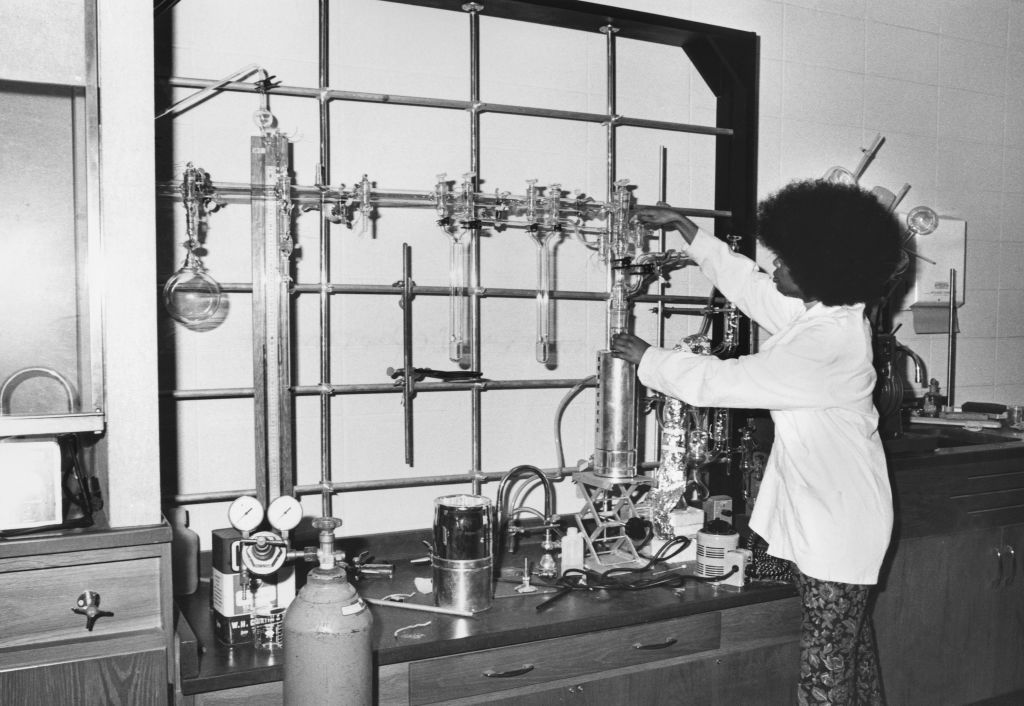
Jackson State University breaks new ground in the world of research for HBCUs. They are developing the next generation of leaders and conducting research that could shape the future.
The Mississippi university is working toward joining the nation’s highest tier of research institutions, a designation that could bring more federal funding, top faculty, ambitious students and national recognition to the historic HBCU. As reported by AP News, Jackson State is already making serious moves toward that goal.
One example can be found in an unexpected place: an oyster crate.
According to the original article published by Mississippi Today, Professor Kamal Ali and his student researchers are developing tiny sensors that attach to oyster shells and monitor how the animals respond to environmental changes. The project is part of the Mississippi-based RESTORE Act Center of Excellence and is one of roughly 400 research projects happening at Jackson State.
The work is not just about oysters. It connects scientific innovation to the health of the Mississippi Gulf Coast — an ecosystem that has been impacted by hurricanes, disease and pollution. The research could ultimately help protect an industry that once generated an estimated $100 million.
“Oyster reefs used to be a $100 million industry and prime indicator of the health of the Mississippi Gulf Coast but hurricanes, disease, seawater pollutants and other environmental factors frequently affect these habitats,” said Ali, a professor of electrical and computer engineering. “So protecting Mississippi’s culture, traditions and revenue from the Gulf is an important part of what we do here that has the potential to bring jobs and money to the state.”
Jackson State’s research ambitions extend beyond marine science. The university is working in areas including cybersecurity, artificial intelligence, health disparities, materials science and civil engineering.
But reaching the highest research classification will require a major investment. Universities seeking the designation must spend at least $50 million annually on research and development and award at least 70 research doctorates. In 2023, Jackson State spent nearly $19.5 million on research and development and currently awards nearly 68 doctoral degrees each year.
“We’re now asking how do we get more contracts, more grants and opportunities? How do we partner and bring in money that’s not from the federal government into the institution to expand its capacity,” Alesha Campbell, the university’s Vice President of research and economic development shared with the publication.
The goal is rather ambitious, but JSU is already within striking distance of one major benchmark.
The university is also part of the newly launched Association of HBCU Research Institutions — a coalition of 14 HBCUs created to help member schools compete for larger grants and expand their research capabilities. Harvard University is supporting the initiative, while Howard University currently remains the only HBCU with the nation’s highest research designation.
For Jackson State, this moment is about creating opportunities for Black students to see themselves as scientists, engineers and innovators while giving them access to research that can impact their communities.
As Professor Ali explained, greater exposure to this work can lead to innovation and opportunity for the next generation.
And if Jackson State gets there, it will not be climbing alone. It will show the world exactly what HBCUs can do when given the resources to dream, research, and build at scale.
SEE ALSO:
Black Woman Found Hanging From A Tree In Jackson, Mississippi
Supreme Court Upholds Mississippi Law Allowing Late Mail-In Ballots
Jackson State University Breaks New Ground For HBCUs In The World Of Research was originally published on newsone.com