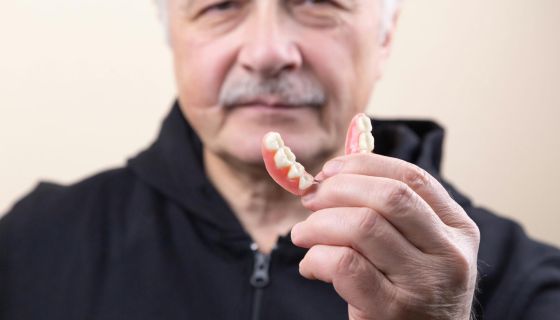
Tooth loss affects more than a smile. Here’s what experts want people to know
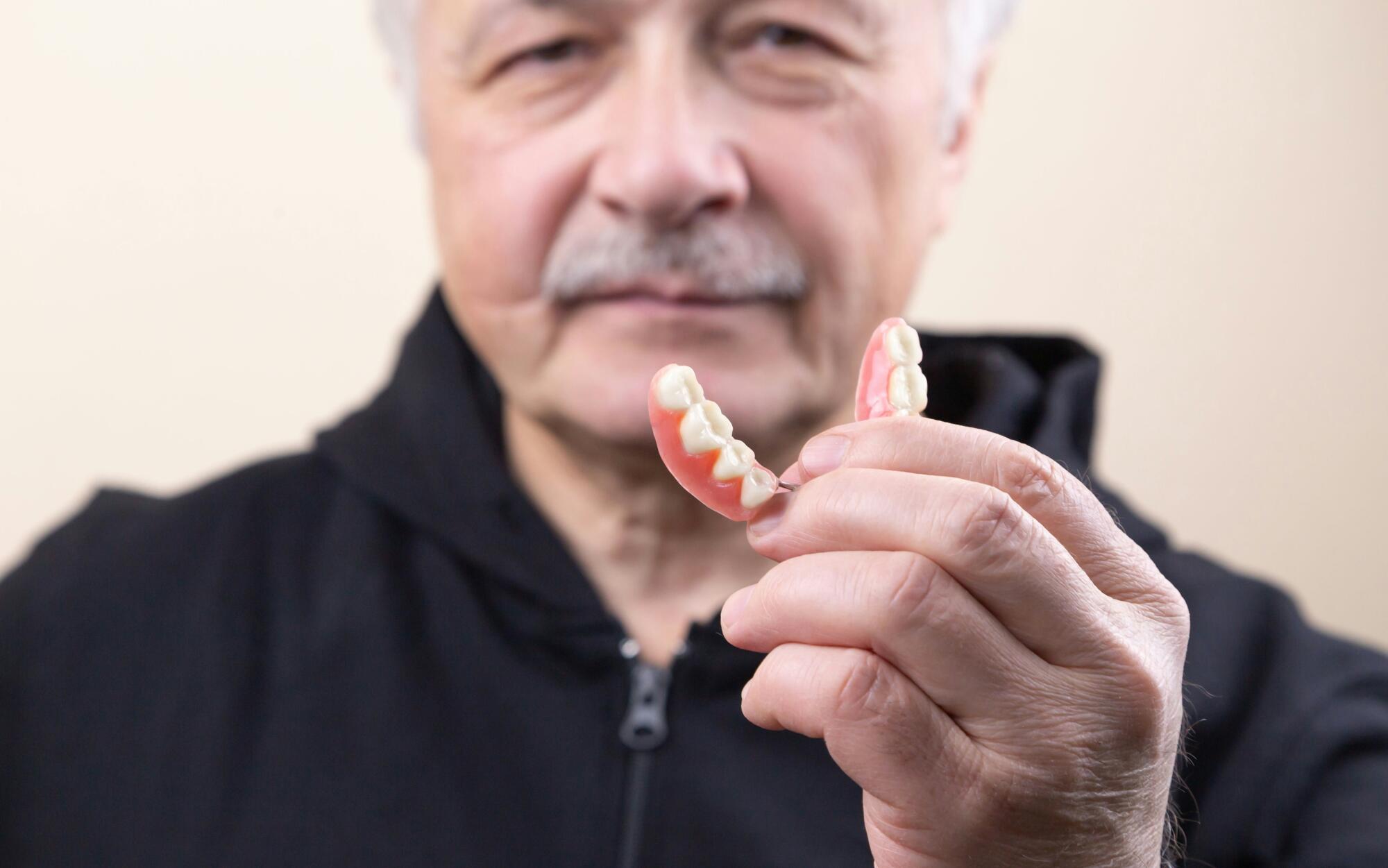
Tooth loss affects more than appearance, harming eating and speech and signaling wider health problems, yet it is largely preventable.
Tooth loss can be a double whammy. Not only does it affect your image and confidence, but it also affects your function. It can be more challenging to eat and to form sentences.
According to the CDC, around 1 in 6 adults aged 65 or over have lost all of their natural teeth, and many more are missing at least a few. But it is not just a concern for the elderly, because tooth loss and gum disease affect younger people too.
This article shares dental insights on tooth loss and explains what dental and public health experts want people to understand about these health issues.
What Actually Causes Tooth Loss?
The CDC notes that most adult tooth loss comes from two main routes. The first is tooth decay, and the second is periodontal gum disease.
A significant risk factor is smoking, which greatly increases the risk of both. These conditions can slowly build up over the years with little pain or discomfort at first, causing some people to ignore the early signs.
Beyond Oral Hygiene
The impact of missing teeth reaches well past the gums. CDC data shows that losing teeth can compromise both chewing and clear speech. Once tooth loss sets in, eating gets harder, and many people are forced to switch to softer, more processed foods.
While these are easier to manage, they are less nutritious than the alternatives. Older adults who can no longer chew comfortably might skip healthy foods like fruits and vegetables, which leads to poorer overall health.
The good news is that teeth replacement options have come a long way. All on 4s, for example, anchors a full arch of fixed replacement teeth to just four implants per jaw, restoring much of the chewing power that tooth loss takes away.
A Sign Of Wider Health Problems
One of the main messages that health experts want the public to understand is that tooth loss is often a symptom of other health conditions. People with diabetes face a higher risk of gum disease, along with infections of the gums and the bone that anchors each tooth.
Diabetes also slows healing, which makes gum disease harder to treat. For someone dealing with diabetes, routine dental care becomes especially important.
Research led by Ling Shi and colleagues found that, among US adults, tooth loss is linked to several chronic conditions, such as:
- Cardiovascular disease
- Stroke
- Kidney disease
Problems with your smile can reflect what is happening throughout the body.
Taking Charge Of Your Oral Health
Tooth loss is rarely only about the way your smile looks. It touches how you eat and speak and even how confident you feel, and it can flag deeper problems with your oral health and well-being.
The reassuring part is how much control you have. Understanding the importance of dental care goes a long way. Keeping up with simple daily habits and seeing a dentist early can keep most of your natural teeth where they belong. If some are already gone, modern implant options can restore a lot.
If you’re interested in learning more about dental health, see our other blog posts.